damientpqd197.keystonescope.com
Briefing@damientpqd197

The Truth Concerning Teeth Lightening: Threats And Adverse Effects

4 min read
The Reality Concerning Teeth Whitening: Risks And Adverse Effects This occurs since the peroxide can aggravate the nerves inside your teeth. Non-prescription products don't offer these additional protective actions. Teeth lightening agents can create inflammation to the gum tissues if they enter into call with the soft cells. Appropriate application and protective actions are necessary to decrease this risk.

Follow Us:

It also won't be effective if your tooth discoloration is caused by medications or a tooth injury. Possibly one of the most common adverse effects, tooth level of sensitivity typically takes place within the first 24-- two days after whitening. You might notice a "zing" when sipping warm coffee, taking pleasure in cool water, and even inhaling cool air.

Risks Connected With Lightening

Does brushing 2 times a day whiten teeth?

Brushing your teeth will not make them white. Dentists advise cleaning your teeth twice or even more day-to-day to get rid of plaque, avoid tooth cavities, and avoid gum tissue condition. Nonetheless, regular cleaning or making use of whitening tooth paste can't significantly whiten teeth.
It's vital to talk to a dental practitioner prior to using any teeth bleaching products to guarantee they're safe for your teeth. Dentists can suggest secure and reliable methods to lighten your teeth without damaging your enamel. Remember that prevention is constantly far better than treatment, especially when it involves the security of your pearly whites. Among the most common negative effects of teeth bleaching is raised tooth level of sensitivity. In this blog site, we will certainly check out the usual side effects of teeth whitening, how to manage them, and when you should consult your dental practitioner. To safeguard your dental health and wellness from the negative effects of teeth lightening, select the best dentist in Montgomery Region, PA, Main Road Dental Center. From oral implants to emergency oral care, we offer top-tier service. Due to the fact that lightening gel only penetrates the external layer of enamel, the danger of therapy is typically minimal, and people suffer from couple of and mild negative effects. Still, it is necessary that everyone comprehends what to anticipate prior to undertaking any procedure, cosmetic or otherwise.
  • Whitening agents such as hydrogen peroxide can momentarily subject the tooth's dentin layer, resulting in increased sensitivity to temperature level and stress.
  • Keep in mind that prevention is constantly far better than treatment, specifically when it concerns the defense of your pearly whites.
  • At Key Street Dental Center, we believe your smile deserves care that exceeds surface outcomes.
  • However, if the teeth are not subjected to chromogens such as coffee, merlot, cigarette smoke, then it would certainly be affordable to presume that bright teeth can linger or approximately a year.
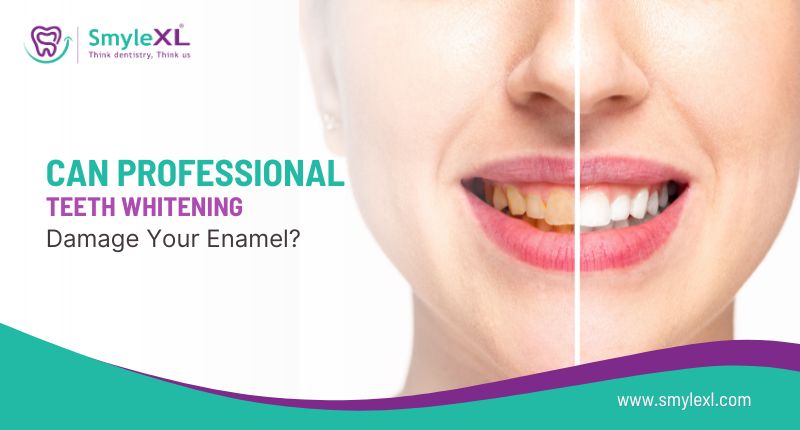
Whitening tooth pastes commonly can lighten tooth shade by regarding a couple of shades. Constant or incorrect use lightening products can lead to enamel damage. Overuse or excessively aggressive treatments can wear down the enamel, making teeth much more prone to dental caries and put on. There are some newer whitening strip items that need only one 30-minute application each day that have the exact same lightening end factor as the two-a-day products. Existing study regarding tooth whitening reveals that it is secure and efficient when supplier's method is adhered to, yet there are risks of which the occupation and customers need to realize. Join thousands of Highland Park residents who rely on A Briter Smile for their dental care. This adverse effects is generally temporary and will Click here for more info diminish after a couple of hours to a few days. Veneers and dental bonding can resolve staining that does not react to lightening therapies. These treatments entail positioning tooth-colored products over the front surfaces of teeth, creating an uniformly white look. The potential dangers to the developing infant are not totally comprehended. Fillings, crowns, veneers, and other dental work don't respond to whitening therapies. Check over here This can cause unequal coloring where natural teeth come to be whiter while remediations stay their initial color. While teeth whitening can give sensational results, it is very important to comprehend the prospective negative effects of teeth bleaching prior to making a decision. From tooth level of sensitivity and gum tissue inflammation to enamel damage, the negative effects can vary depending upon the private and the bleaching method picked. Teeth whitening treatments have come to be increasingly preferred for those looking to brighten their smile and improve their self-confidence. Research studies suggest, too, that whiteners may chemically respond to ceramic crowns, sealants and other dental reconstructions. Teeth lightening is a prominent and highly effective means to brighten your smile. Brushing, flossing, and normal cleanings improve the efficiency of oral whitening and aid preserve a bright smile. Teeth with existing repairs like crowns or dental fillings may bleach in a different way from all-natural teeth. This is a crucial consideration if you want an evenly whiter teeth look. All of these approaches aim to improve the look of your teeth securely, but each features different teeth whitening impacts and limitations. If you have fillings, crowns, or veneers, these dental restorations will certainly not whiten like natural teeth, causing an unequal smile. Both negative effects that happen most often with teeth whitening are a temporary increase in tooth level of sensitivity and light inflammation of the soft cells of the mouth, specifically the periodontals. Tooth sensitivity frequently takes place throughout onset of the lightening therapy. Cells irritation most generally results from an ill-fitting mouth piece tray instead of the tooth-bleaching representative. Both of these problems typically are momentary and go away within 1 to 3 days of quiting or finishing therapy.